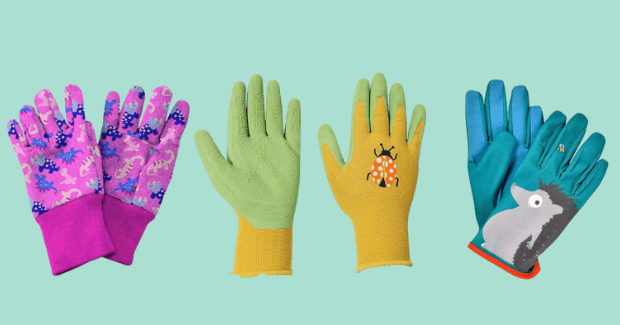
The Unsung Heroes of Little Hands: Why Childrens Gardening Gloves Matter
Gardening is a truly enriching activity for children, offering a unique opportunity to connect with nature, understand where food comes from, and develop vital life skills. From planting seeds to harvesting vegetables, every task is a lesson in patience and wonder. However, the garden, with all its beauty, also presents various potential hazards for small, delicate hands. This is where
childrens gardening gloves become an indispensable piece of gear, transforming potential dangers into opportunities for safe exploration and joyful learning.
Far more than just miniature versions of adult gloves, these protective items are specifically designed to shield sensitive skin from thorns, splinters, sharp edges of tools, rough soil, and potential allergens or irritants found in the garden. Without proper hand protection, a simple slip or an unexpected encounter with a thorny branch can quickly turn a fun gardening session into a tearful experience, discouraging future participation. By equipping children with the right pair of gloves, parents and educators empower them to engage more confidently and enthusiastically with their tasks, fostering a lifelong love for horticulture. To fully appreciate the significance of this protective gear, consider
Why Childrens Gardening Gloves are Essential for Safe Play.
Decoding the Durability: Popular Materials for Childrens Gardening Gloves
The material composition of
childrens gardening gloves is arguably the most critical factor influencing their protective qualities, comfort, and longevity. Different gardening tasks call for different types of protection, and understanding the strengths and weaknesses of each material will help you make an informed choice.
Leather and Synthetic Leather
Leather gloves, often made from genuine cowhide or goatskin, are highly prized for their exceptional durability and superior resistance to punctures. They are ideal for more robust gardening tasks where thorns, sharp twigs, or rough surfaces are common. For instance, if your child is helping prune rose bushes (under strict supervision, of course) or clearing areas with stubborn weeds, leather provides an unparalleled shield. While genuine leather molds to the hand over time, offering a comfortable custom fit, it can be less breathable and may require more specific care. Synthetic leather options provide a more affordable and sometimes easier-to-clean alternative, offering similar puncture resistance but often with less breathability.
Nitrile-Coated Gloves
Nitrile-coated gloves represent a fantastic balance of protection, flexibility, and grip. These gloves typically feature a breathable fabric base (like cotton or nylon) with a durable, flexible nitrile coating on the palms and fingers. Nitrile, a synthetic rubber, offers excellent resistance to punctures, abrasions, and even some common garden chemicals (though caution should always be exercised with chemicals around children). Their standout feature is the enhanced grip they provide, especially in wet or oily conditions, making them perfect for tasks involving damp soil, handling slippery tools, or repotting plants. They are generally lightweight, comfortable, and easy to clean, making them a popular choice for active young gardeners.
Cotton and Fabric Blends
For lighter gardening tasks, such as planting seeds, gentle weeding, or tending to delicate seedlings, cotton or fabric blend gloves are an excellent choice. These gloves are known for their lightweight feel, superior breathability, and comfort. They help prevent sweaty hands and allow for good dexterity, crucial for fiddly tasks. Often, cotton is blended with synthetic fibers like polyester or spandex to increase durability, improve elasticity, and speed up drying time. While they offer protection against dirt and minor scrapes, they are not suitable for tasks involving thorns or sharp objects due to their lower puncture resistance. They are typically very affordable and often machine washable, making them a practical everyday option.
Rubber and PVC
Less common for general childrens gardening gloves but worth mentioning for very specific, messy tasks are gloves made entirely or heavily from rubber or PVC (Polyvinyl Chloride). These provide excellent waterproofing and chemical resistance, making them suitable for situations involving very wet mud, handling non-toxic plant fertilizers, or cleaning gardening tools. However, they tend to be less breathable and can feel bulky, reducing dexterity and making them less comfortable for extended wear.
Beyond Protection: Key Features for Happy Little Gardeners
While shielding hands from harm is the primary goal, the best
childrens gardening gloves also integrate features that enhance comfort, encourage dexterity, and, most importantly, make gardening an even more enjoyable experience for young enthusiasts. After all, the goal is to foster a lifelong love for nature and growing things. It's about moving
Beyond Protection: How Childrens Gardening Gloves Boost Garden Fun.
Optimal Fit and Comfort
For children, proper fit is paramount. Gloves that are too large can slip off, making tasks difficult and even dangerous, while gloves that are too small will restrict movement and cause discomfort. Look for gloves with:
- Adjustable Wrist Closures: Velcro straps are ideal for kids, allowing for a snug and secure fit that prevents dirt from getting in and keeps the gloves from falling off. Elasticated cuffs are also good for a quick on-and-off.
- Ergonomic Design: Contoured shapes that naturally fit a child's hand help prevent fatigue and improve dexterity, making it easier to grip tools or pull weeds.
Reinforced Fingertips and Palms
Children love to dig, poke, and grab. Areas of high wear, such as the fingertips and palms, often benefit from extra reinforcement. This could be an additional layer of material, a more durable coating, or a specific stitching pattern. Reinforced sections significantly extend the life of the gloves and provide extra protection against punctures and abrasions where it's needed most.
Breathability and Temperature Regulation
Sweaty hands are uncomfortable hands, especially during warm weather. Materials like cotton, bamboo, or gloves with mesh panels allow air circulation, preventing moisture buildup and keeping hands cool and dry. This feature significantly enhances comfort, encouraging children to wear their gloves for longer periods without complaint.
Enhanced Grip Capabilities
A good grip is essential for safely handling small tools, carrying pots, and even pulling weeds effectively. Many
childrens gardening gloves feature textured palms or specialized coatings (like nitrile or latex) that provide superior grip on both dry and wet surfaces. This allows children to maintain better control, reducing the risk of accidents and making their gardening efforts more successful.
Visual Appeal and Fun Factor
Let's be honest: for kids, aesthetics matter! Gloves adorned with bright colors, fun patterns, cartoon animals, or favorite themes are far more enticing than plain, utilitarian ones. Allowing children to choose gloves that appeal to their personality can significantly boost their enthusiasm for gardening and make them more likely to wear them without persuasion.
Making the Right Choice: Tips for Selecting Childrens Gardening Gloves
With so many options available, choosing the perfect pair of
childrens gardening gloves might seem daunting. However, by considering a few key factors, you can confidently select gloves that will serve your child well, protect their hands, and enhance their gardening adventures.
- Consider the Child's Age and Gardening Tasks:
- For toddlers and very young children engaging in light activities like planting large seeds or watering, lightweight cotton gloves with fun designs are perfect. Protection from dirt and minor scrapes is the priority.
- For older children tackling more varied tasks like digging, weeding, or helping with tougher plants, invest in more durable options like nitrile-coated or even synthetic leather gloves with reinforced features.
- Prioritize Fit Over Future Growth: While it's tempting to buy slightly oversized gloves for your child to "grow into," this can be counterproductive. Gloves that are too big will hinder dexterity, easily slip off, and even become a safety hazard. Aim for a snug but comfortable fit that allows for full finger movement. Always check size charts and, if possible, have your child try them on.
- Balance Durability with Dexterity: Think about the trade-off between extreme durability and the child's ability to manipulate small objects. A very thick, heavily reinforced glove might offer maximum protection but could make it hard for a child to pick up a small seedling. Strive for a balance suitable for their typical gardening activities.
- Ease of Cleaning: Gardening is messy, and children's gloves will inevitably get dirty. Look for materials that are easy to clean, preferably machine washable, or can be simply rinsed off with water.
- Involve Your Child in the Decision: Empowering your child to choose their own gloves, especially regarding color or design, can significantly increase their excitement and willingness to wear them. This small act of autonomy can make a big difference in fostering their interest in gardening.
- Check for Safety Standards (if applicable): While not typically a major concern for basic gardening gloves, for more specialized options, ensure materials are non-toxic and free from harsh chemicals, especially if your child tends to put things in their mouth.
Conclusion
In conclusion, investing in the right pair of
childrens gardening gloves is an investment in your child’s safety, comfort, and overall enjoyment of gardening. By carefully considering the materials (such as durable leather, versatile nitrile-coated, or breathable cotton), the essential features (like adjustable wrists, reinforced tips, and good grip), and your child's specific needs and preferences, you can ensure their hands are well-protected as they dig, plant, and grow. These gloves are more than just protective gear; they are tools that empower young gardeners to explore, learn, and cultivate their own little patch of the world with confidence and joy. Happy gardening!